Friday, October 28, 2022

Still Drinking? — Check Out These Disturbing Short and Long-Term Effects of Alcohol on Your Brain

 These are enough to scare the bejeebers out of you — proceed at your own risk.
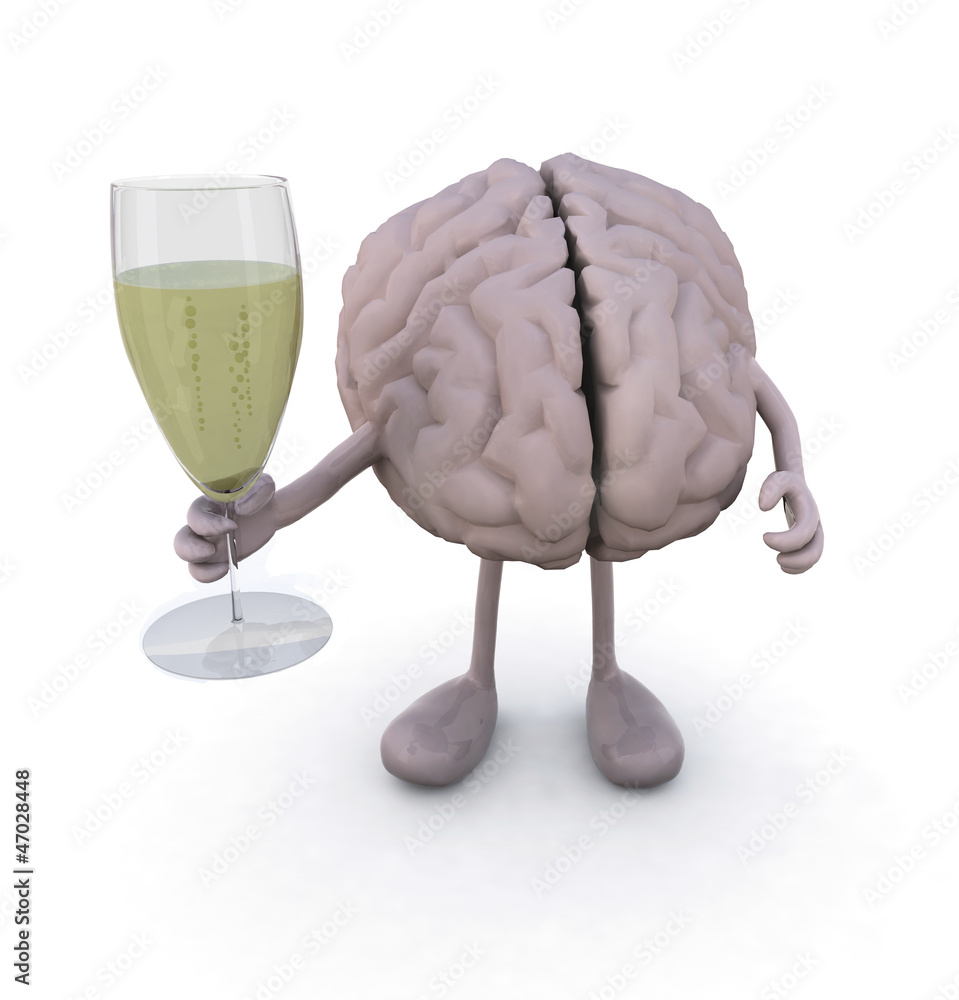
Do you still enjoy your cocktails, beer, or wine? If so — read on.

I’ve been doing a bit of research because of concerns I have about my buddy, Bob.

Bob is a dear friend who has been a long-time drinker. A very long time — since high school. He is in the eighth decade of his life and still indulging.

He admires me for being alcohol-free yet says it’s not for him as he’s been drinking too long and enjoys it too much to give it up.

I’ve been paying more attention when we get together as he seems to be aging rapidly — physically and mentally.

Bob also has angry outbursts if I should challenge him in any area. He takes everything personally and gets defensive.

He also likes to place the “blame” for any misunderstanding or mistake on someone else. It’s never his doing.

These challenging behaviors have arisen in the past few years, changing this once jolly man into a not-so-pleasant guy to be around at times.

More recently, I’ve noticed Bob is often forgetful and repeats himself.

Let’s get right to it.

Short-Term Effects of Alcohol on the Brain

  • Memory impairment begins right from the onset of the drinking cycle and becomes increasingly worse as you consume higher quantities.
  • Partial Blackout — These happen with a small amount of alcohol intake. You forget people’s names or essential information.
  • Complete Blackout — This is a total impairment of your cognition and judgment. You need others to tell you what transpired when you went into the blackout. This can be frightening as you cannot recall even a single instance during the blackout period.

These blackouts occur because the level of alcohol in the blood rises too fast. The amount you drink, your body weight, and whether you had an empty stomach while drinking are all factors that can contribute to a blackout.

Long-Term Effects of Alcohol on the Brain

  • There is the potential development of physiological dependence — a state or condition in which a person experiences physical and psychological withdrawal symptoms and cravings if they stop drinking or significantly lower the amount of alcohol in their body.
  • They are at risk of developing an AUD (alcohol use disorder or alcoholism) — a brain disease characterized by a struggle to limit drinking despite significant adverse results.
  • Alcohol exacerbates underlying mental health disorders.
  • Alcohol affects the brain centers and is responsible for accelerating the natural chronological aging — causing premature aging.
  • Alcoholism is associated with poor dietary habits resulting in thiamine deficiency. Inadequate levels of this vitamin cause deep brain damage that is mainly responsible for severe cognitive deficits.
  • Alcoholism disrupts the normal mechanisms of the front lobe, damaging cells associated with problem-solving abilities.
  • Heavy drinkers are three times more likely to develop dementia than the rest of the population. Dementia is a classical consequence of alcohol-related brain damage.

Alcohol kills brain cells. This is heartbreaking.

Alcohol brain damage is reversible, according to research. The goal is to have the person withdraw from alcohol. Depending on the severity of the problem — it may be wise to do this under the supervision of a professional in the alcohol rehab field.

I would not want Bob to try it on his own after many years of drinking.

I am not a professional. I’m a former drinker with a dear friend I believe is in danger.

Thanks to AmericanAddictionCenters.org and Alcorehab.org for the information given above.

Please seek professional help or call the National Drug and Alcohol Treatment Hotline at 1–800–662-HELP (4357), your primary care physician, or an alcohol rehab facility.

Your life is at stake, as is the health of your brain.

Thursday, October 20, 2022

What Can Stephen King’s Passion for Alcohol and Writing Teach You About Courage and Determination?

This man went through hell and is here to talk about it.

I am in love with Stephen King. Not in a sense, I want him romantically — but I adore the person he is. I am smitten with his humor, honesty, wit, passion, and courage.

Despite my fondness for the writer, I was not a fan of his books. I read The Shining and Cujo at the coaxing of a good friend, a faithful follower. 

However, both novels scared the hell out of me, and I haven’t picked up another fiction of his again. 

Since submitting articles to Medium, I have been eager to learn all I can about writing. 

I was not an English major, nor had I taken creative writing classes. I’m a rookie in the Third Third of my life, retired, and enjoying telling my story and those of others.

My son, Nick, enjoys writing, too, and had Stephen King’s non-fiction/memoir On Writing on his bookshelf. I borrowed it and read it nightly until my sleepy eyes closed.

King’s truthfulness in sharing his life is why I am now a fan.

Alcohol

Stephen started drinking in his senior year of high school. By the time he was in his early 30s, he had considered himself an alcoholic.

His home state of Maine enacted a returnable-bottle law. Stephen began a recycling bin in his garage, where he tossed his empty beer cans. 

He had this to say about it:

"One Thursday night I went out there to toss in a few dead soldiers and saw that this container, which had been empty on Monday night, was now almost full. And since I was the only one in the house who drank Miller Lite — Holy shit, I’m an alcoholic, I thought, and there was no dissenting opinion from inside my head — I was, after all, the guy who had written The Shining without even realizing (at least until that night) that I was writing about myself."


The Shining’s main character was an alcoholic. Stephen was deep into the depths of his drinking when he wrote it.

King continued drinking for many years and managed to write a number of books that became top sellers.

He loved his booze and felt he couldn’t live without it.

King was tortured by his drinking and drug addiction, yet didn’t know how to stop or ask for help. Stephen’s mother raised him to keep his problems to himself.

Writing was Stephen’s salvation and a way to speak of his dependence.


He speaks this of his writing:

"It began to scream for help in the only way it knew how, through my fiction and through my monsters. In late 1985 and early 1986 I wrote Misery (the title quite aptly described my state of mind)…
In the spring and summer of 1986 I wrote The Tommyknockers, often working until midnight with my heart running at a hundred and thirty beats a minute and cotton swabs stuck up my nose to stem the coke-induced bleeding."


He steadfastly continued writing, drinking, and using until his wife, Tabitha, called an intervention with their children and friends present.

Stephen didn’t think he could survive without his addiction, yet he also knew he couldn’t live without his wife, whom he cherished.

His love for her won, and King entered rehab and has been sober for 33 years.

Writing

Stephen King wrote his first story and submitted it to Spacemen magazine, promptly rejecting it. His second story wasn’t — In a Half-World of Terror was published in a horror magazine. He was in his teens when his writing career began.

King went on to publish 61 novels and five non-fiction books.

I love what he has to say about ideas and writing:

"Let’s get one thing clear right now, shall we? There is no Idea Dump, no Story Central, no Island of the Buried Bestsellers; good story ideas seem to come quite literally from nowhere, sailing at you right out of the empty sky: two previously unrelated ideas come together and make something new under the sun. Your job isn’t to find these ideas but to recognize them when they show up."


How many times has an idea entered your head, and your first thought was — gee, this is interesting. I could write an article about this.

On Writing

I was enthralled with the first half of the book, where King shares his struggles with addictions, his love of writing, his family, and recovery.

Those escapades are worth a book unto themselves.

The second half gives us clear-cut writing tips. As I read, I jotted down notes. Most of King’s advice is about good storytelling — not my forte, yet he gives many suggestions adaptable to blogging and online articles. 

His tips aren’t unique, as we’ve read them somewhere before. Perhaps, the authors borrowed them from King.

King approaches this part of the book with two theses:

"The first is that good writing consists of mastering the fundamentals (vocabulary, grammar, the elements of style)…The second is that while it is impossible to make a competent writer out of a bad writer, and while it is equally impossible to make a great writer out of a good one, it is possible, with lots of hard work, dedication, and timely help, to make a good writer out of a merely competent one."


Stephen is dismayed that many critics and writing teachers say that writing ability is fixed and immutable; once a hack, always a hack. 

In other words — don’t believe this crap. We can turn our competent writing into good writing. 

 King advises if we want to be a writer, we must do two things — read a lot and write a lot.

How much constitutes a lot? He suggests four to six hours a day of reading and writing. He adds if we enjoy doing these things, it will be easy.

It’s critical that you love to write. King also adds if you don’t want to work your ass off, you have no business trying to write well. It’ll never happen.

King likes to write ten pages a day. He writes in the mornings and saves his reading for the evenings. 

Top ideas

There is so much information contained in On Writing that I could write a ten-page article. I don’t have the stamina for that. 

Here are my top takeaways:

  • Keep your paragraphs short. The longer the paragraph, the more daunting the reading appears.
  • Keep your words simple. Sure we love to use big words or dress up the simple ones. Don’t. The first word that comes to mind is the best in most cases.
  • No or limited adverbs — if the word ends with ly as in interestingly — omit it.
  • Keep your writing honest. Tell your story, be vulnerable. Readers love that and will thank you and learn from it.
  • Know your Ideal Reader. King talks about his wife’s ruthlessness — she was his I.R. and gave him necessary feedback. You must know who you are writing for.

That’s it for writing.

Determination and Courage

Stephen King was hit by a van while out walking in Maine. He almost lost his life. He underwent numerous operations and resumed his writing several weeks after being hit.

That is tenacity, determination, and courage.

He found sobriety from drugs and alcohol — overcoming a severe addiction to various substances. His determination to save his marriage and himself is admirable. 

Stephen King writes every day — including his birthday, Christmas, and the Fourth of July, even though he says he takes these days off. He was only kidding.

This man and his book On Writing brought a smile to my lips and inspired me to keep writing.

Keep learning, being curious, and exploring our world. Keep reading and writing. 


Thursday, October 13, 2022

Isn’t It Painful When a Close and Long-Time Friendship Comes to an Abrupt and Distressing End?

 This can be as heartwrenching as breaking up with a lover.

Molly and I have been friends for over 25 years. She stood by me through a difficult divorce. She called me every day after my son, Anthony, died.

I was at her side rooting, encouraging, and reading the manuscript for her book. I was there through all her physical difficulties, surgeries and recoveries. I supported Molly through her emotional hardships with one of her closest relatives.

We were loyal and faithful friends through the years.

Even though Molly was a dear and trusted friend, she could be demanding at times. I often found it challenging to set boundaries with her and frequently consented to keep the peace.

I’m sure she had her complaints about me.

Of course, we didn’t always see eye to eye. It’s natural as we’re individuals with separate opinions.

The breakup

We met for lunch at her usual choice even though I suggested another restaurant. She insisted on her favorite. Okay, not a big deal.

We talked about my youth, and she vehemently disagreed with what I said. I tried to explain that perhaps what I said didn’t make sense to her, but it was part of my experience as a teenager.

Molly continued to insist I was wrong though we didn’t know one another back then. I asked her to please stop as I was near tears. Finally, she did. 

We said our goodbyes, both feeling somewhat unsettled.

I tried to let it go and called her a few days later. She didn’t pick up but instead texted, “I need some time.”

Really? I thought I was the one who was upset.

Back-and-forth texts burned through our phones.

We couldn’t agree on what had occurred. Molly insisted I was verbally lashing out at her. I explained that I was defending myself against her.

After several days of this, I said — enough.


"Blame is irrelevant, if only because it changes nothing. "— Aryn Kyle, The God of Animals.


Relief

I was confused yet determined I would stand my ground and not give in and apologize for something I didn’t do.

An unexpected feeling of relief swept over me. 

Friendships take time and work, and I’ve always been one to keep up my end. Molly did the same.

Yet this feeling of release brought on a sense of freedom.

Do I miss her? Yes. Molly was a huge part of my life, as was her husband.

Amends?

Do I want to make amends? I’m not sure. Yet, I know I will not call her. I’m not being pigheaded about this, just standing up for myself. 

If Molly calls me, I will speak to her and allow her back into my life, knowing we will never resume our friendship as it was before.

I will be cordial and kind, but the trust has been broken.

I still care about her, and our breakup leaves a hole. Yet, I understand that there are times we must move on and let go.

There is a quote:

"People come into your life for a reason, a season, or a lifetime. "— Anonymous.


Molly and I believed it would be a lifetime. However, perhaps it was for a reason. 

I was there for her when she needed me, and she supported me through many difficulties. We also had many fun times together.

Some friendships fade away naturally. Those may be missed but are not painful.

This one hurts, and I know Molly hurts, too. We will heal.

We change. Others change, too.

I’ll leave this friendship with dignity and clarity, knowing that this is a way I’m taking care of myself.


Thursday, October 6, 2022

Will You Try This Easy Way to Increase Your Focus and Productivity?

Who isn’t busy, and don’t we all love ‘easy?’

Get out that darn To-Do list. How long is it? Three items? Four, eight, ten, or more?

We’re so ambitious, aren’t we? That’s not a bad thing. The trouble is it can be overwhelming at times.

Overwhelming can also lead to procrastination. Procrastination can lead to resistance — then nothing gets done.

I’ve been using this method to nail down what I want to accomplish in a day. I’ve also implemented it for long-term goals and undertakings.

"I don’t care how much power, brilliance or energy you have, if you don’t harness it and focus it on a specific target, and hold it there, you’re never going to accomplish as much as your ability warrants." — Zig Ziglar.


Here’s how you do it

You may think this process is a bit woo-woo. That’s okay. Woo-woo or not, it works.

Start by sitting, closing your eyes, and calming yourself. No eye-rolling here — this does work. Plus, it only takes five minutes, ten if you want to get into details.

Imagine your brain is like your computer dest top. You know — filled with a kajillion icons, tools, and folders.

You will temporarily clear your Mind/Dest Top of all that stuff. Dump it all into a folder and put it aside for now.

Next, focus on the most important priority and set the intention that it will get done today.

You should have three action steps (additional steps if it’s a more extensive project) that will get you there. Imagine yourself performing the tasks needed to accomplish this to-do item.

We cannot envision the job completed — we must visually walk through the steps we will take to complete the task.

Sample walk-through

I’ll use my example for today. My main objective was to write an article to publish on this blog.

  1. I pictured myself entering my office, plopping my butt down in my chair, and firing up my laptop. I’ve situated myself with ice water and my “Shhhh” sign on my office door.

2. First up is deciding on a title. Once I have a working title, I’m ready to write. I stick with it until I’ve written at least a three-minute article. Often I must do some research on a subject that may be time-consuming. It doesn’t matter. It’s part of completing the task. You must persevere.

3. The editing process is next, deciding on a co-title, tags, and an appropriate photo.

Finally, I hit “publish.”

I’m smiling in my visualization. This is important. We want to enjoy the process. After all, we’re doing either something we want to do, must do, or that will advance us in some way.

Imagine seeing it completed and how excited and pleased you are to have accomplished this.

Next up

Now, take a peek into your folder, select the next most important item, and work on that one.

Once you get into the rhythm, the visualizations flow easily. It takes a little practice. It’s worth it.

You can also use this method to attain long-term goals. Use the same calming and visualization technique but see yourself completing one step today that will bring you closer to your desire.

Remember, the world’s top athletes, CEOs, actors, musicians, and entrepreneurs use this method. If it’s good enough for them, it’s good enough for us.

Let me know how this process works for you.


Thursday, September 29, 2022

How About Trying This Scaled Back Version of the Miracle Morning for Those in a Time Crunch?

The Miracle Morning changed the lives of countless people; why not yours?


Photo by freestocks on Unsplash

I was five years into retirement and knew I wasn’t making the most of every moment. I needed a plan. I wanted a change. To be more productive and creative was my goal. I found a routine that set me up to achieve my objectives.

In the fall of 2018, I discovered The Miracle Morning, a book and routine created by Hal Elrod.

Whatever your life is like right now — whether you are currently experiencing extraordinary levels of success, enduring the most challenging time of your life, or somewhere in between, I can say with absolute certainty that The Miracle Morning is the most practical, results-oriented, and effective method I have ever encountered for improving any — or quite literally every — area of your life, and doing so faster than you may even believe is possible. — Hal Elrod.

Practicing the Miracle Morning changed my life. This is not a small thing.

I had been floundering in the morning and without focus. Now I knew what I would do and didn’t need to think about it.

I now have direction, purpose, and enthusiasm as I greet each new day.

This article suggests how to use a modified version for days you cannot spare the time for all of the steps.

For more in-depth information, I wrote an article about The Miracle Morning published on Medium on October 5, 2021, entitled This Simple Morning Routine Helped Prepare Me for My New Sober Life.

This is how your morning will look.

Your morning will revolve around the acronym S.A.V.E.R.S.

  • The S is for Silence, either reflection, meditation, or inner prayer. The choice is yours. If you like to watch your breath, that is fine, too.
Photo by Dingzeyu Li on Unsplash

Scaling back

The entire process takes about an hour. On days you are pressed for time, feel free to postpone one or more of the practices until you have time later in the day.

You can always use your weekends to do the one-hour version.

Some days you may only have 15 minutes to spare for the Miracle Morning routine.

I suggest not skipping Silence. This is how we calm ourselves before jumping into our day. Meditation, concentrating on the breath, or whatever method you choose is a gentle way to begin.

Writing (Scribing) takes more time for me, and often I will wait until after exercising for 30–60 minutes to hit my journal.

You may find that getting up earlier to use the Miracle Morning method is initially uncomfortable. Most new ideas take a bit of time to become comfortable.

Again, remember — you work this program in any way that seems best. The beauty is it’ll still work even if you only have six minutes.

Give each SAVER one full minute. If later in the day you find time to give additional SAVERS more attention — go for it.

You could also try working on one of the SAVERS a day until you get accustomed to it. Add a new one when you feel ready.

Customize this routine in any way that works for you. That is the beauty of this program. One size does not fit all.

You will see how implementing the Miracle Morning into your routine will renew, motivate and bring creativity into your day. Plus, you’ll find you are more productive and have more time, not less, to do what brings you joy.

Thursday, September 22, 2022

How Stephen King Quit Drinking and Why You Should Quit Your Way

 Check out how others got sober — and then you decide what is best for you.

Photo by Luis Villasmil on Unsplash

Stephen King has no memory of writing Cujo, his thriller about a rabid St. Bernard gone mad. That is a significant blackout if ever there was one.

King also admits there are several other books he has no memory of writing. Incredible.

There are various ways to find sobriety: spontaneous sobriety is quitting without help from outside sources; a DIY job if you will, is the way I chose. My only support came from the truckload of quit-lit books I read the two years leading up to my quitting the drink.

The other ways are with organized help from Alcoholics Anonymous, SMART Recovery meetings, and in-patient or out-patient rehab facilities. One can also go the more personal route with a therapist or psychiatrist and be aided by drugs for withdrawal or to ease cravings.

None of these were the choices Stephen King chose. He hadn’t any intention of quitting his addictions.

Stephen’s addiction

The first time he remembers getting drunk was his senior year of high school in 1966.

By 1975 he decided he was an alcoholic, yet this realization did not sway his choice to keep drinking.

He said:

I thought, I’m an alcoholic…I’ve gotta be really careful, because if somebody says, ‘You’re drinking too much, you have to quit,’ I won’t be able to.

By the 80s, King was introduced to cocaine while attending Hollywood parties as his books were made into movies. He also was addicted to cigarettes, smoking two packs a day and adding pills, mouthwash, sleep aids, and more to the toxic mix.

King admits this about his addictions:

If it would change your consciousness, I was all for it.

King’s wife, Tabitha, staged an intervention with his friends and family present by dumping out a garbage bag full of empty beer cans, cigarette butts, cocaine in gram bottles, cocaine in plastic baggies, and coke spoons, Valium, bottles of cough and cold medicines and even mouthwash.

Tabitha gave Stephen an ultimatum — sober up or get out. She gave him two weeks to make up his mind.

He decided that even though he thought giving up his addiction would kill him, he chose to do it for his wife and family.

King has been sober for over 33 years, adding that an anonymous organization got him through.

He comments:

It certainly allowed me to live a more spiritual life in many ways. It makes it easier to live a moral life. Because when you do something that’s rather shitty, you know that you’ve done it, and you have to talk about it a little bit.

Of course, we can come to the same realization by choosing any method to attain sobriety.

I love this myth-busting statement Stephen makes about addiction and creatives:

Substance abusing writers are just substance abusers — common garden-variety drunks and druggies, in other words. Any claims that the drugs and alcohol are necessary to dull a finer sensibility are the usual self-serving bs.

What about you?

Don’t wait for an intervention that may not come.

You can’t hope someone will take the reins of your life. You are responsible for your life, health, and sobriety. You are strong and capable — do not think for a minute you are not. You can do this.

For the books that helped me achieve sobriety, see my article published on AINYF/Medium on February 8, 2022, 10 Outstanding Books to Help You Stay Fully Engaged in Your Sobriety.

Choose your way of attaining sobriety. I’ve given a few suggestions above.

Please seek medical help if you are concerned about withdrawal.

Help is available and only a Google away. Or contact the National and 24-hour Drug Addiction and Substance Abuse hotline number: 877–268–2787 or Alcohol Abuse Hotline: 888–744–0069.

Thursday, September 15, 2022

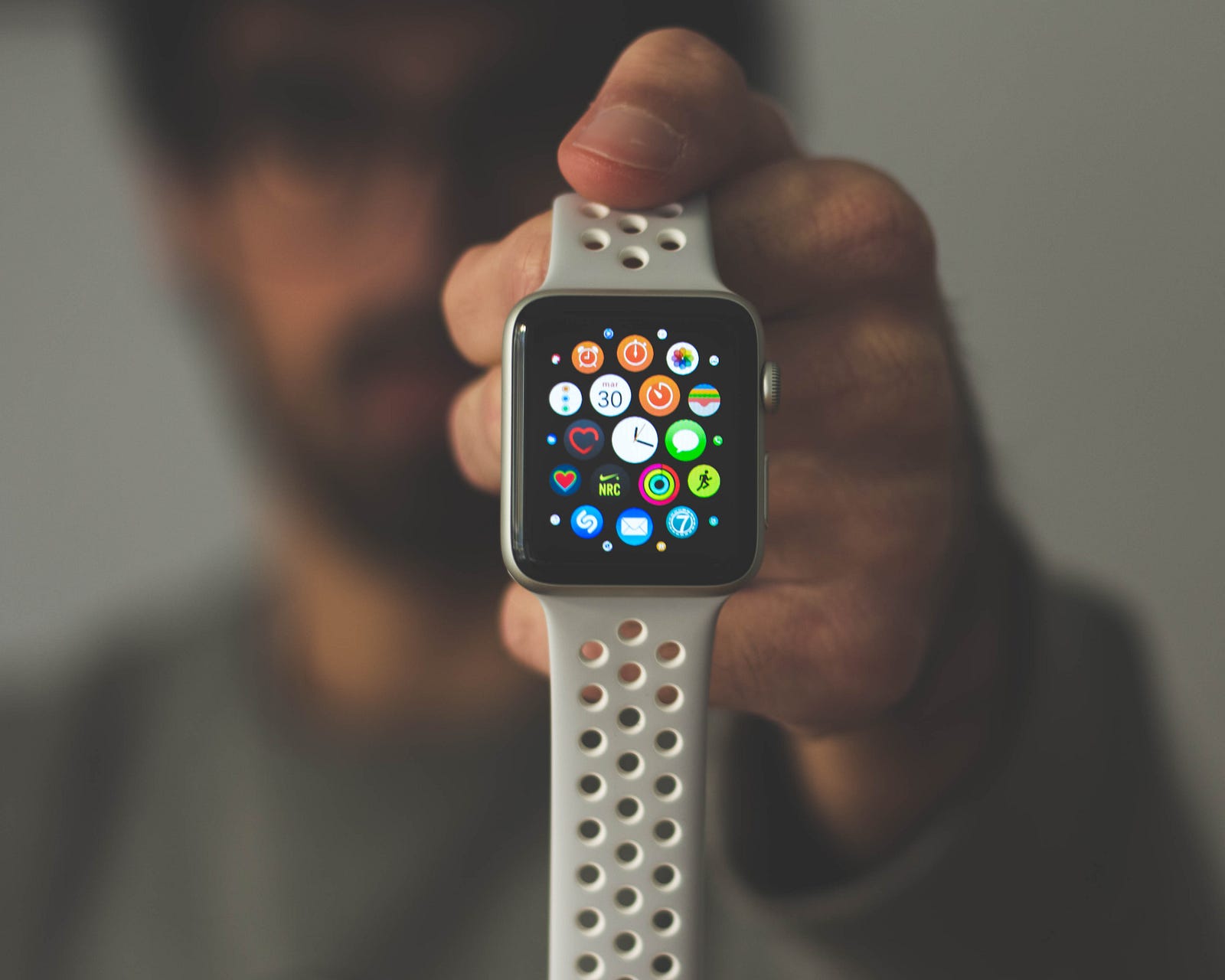
How an Apple Watch Can Enhance Your Life and Inspire You to Improve in Many Areas

No, I am not on Apple's payroll — yet I now rely on this gadget daily.

Photo by Daniel CaƱibano on Unsplash

I love my new Apple Watch! Can you tell I'm excited? Do you have one, too?

I know I still have a lot to discover on this fantastic device. It seems I learn something new daily, and it's all good.

I was a Fitbit wearer for years. The primary reason was to keep track of my exercise, daily steps, and sleep. It was simple. I didn't need to do a thing except wear it.

When it would die — each one lasted a couple of years, I would purchase the latest iteration of it, and I was satisfied.

Exercise

Satisfied until I noticed that some of my pickleball buddies were asking their watches to start tracking our pickleball game. Really? This watch tracks specific exercises?

Indeed it does. Okay, that did it. I had to have it.

One day a friend and I went for a walk, and she tapped her Apple watch to track her outside walk.

Not only did it measure the miles, but it told her the pace — an 18-minute mile. If we stopped to chat with a neighbor, the watch would ask her if we had finished walking. She would pause it and resume it when we did.

Now I'm using mine every day.

When lifting weights at home, tap on Functional Exercise, which follows your movements — recording the time you're lifting and the calories you burn.

It does the same for abdominal exercises — called Core Training — you get the idea.

I love that. The watch tracks the time and calories burned for every exercise you perform. I haven't even read the entire list as there are so many sports and activities on the watch.

Not only do we receive this information, but I have discovered that I want to improve the time and distance of my last hike. 

I'm challenging myself thanks to this device. 

The watch reminds me every hour to get up off my butt and stand for one minute. I take this time to walk around the house and stretch. Writing is absorbing, and this prompt to move is essential.

Emergency help

My friend slipped and fell on a hike up the mountain — she wasn't hurt and got up immediately. The watch picked this up and asked if she was alright or did she need them to contact 911!

She answered that she was fine and did not need emergency help.

I often walk or hike the mountains alone with my dog early in the morning, and falling can be a concern. I always bring my cell phone, but what if I were unable to retrieve it from my bag? My watch is on my wrist, and all I need to do is talk into it.

This feature enhances my life by helping me feel secure and safe and may save my life.

Sleep

I'm not sure what my favorite feature of the Apple Watch is, but this category is near the top, if not the pinnacle.

For $4.99, a one-time charge, I added Auto Sleep from the app store so that I would receive more detailed information about the quality of my slumber.

There's more information than we need to assess our sleep health. However, once involved in evaluating it, I found it illuminating.


This app provides:

  • Time Asleep
  • Sleep Rating
  • Sleep spO2
  • Respiration Rate
  • Sleep Fuel Rating
  • Readiness
  • Tonight's Bedtime
  • Sleep Consistency


I went into detail regarding these sleep categories in my article on Medium, published September 5, 2022, How to Improve the Quality of Your Sleep With These 4 Simple Daytime Tactics.

Briefly, Time Asleep, Sleep Fuel Rating, and amount of Deep Sleep are the most crucial areas to be concerned about. You can find the amount of your deep sleep within the Sleep Rating area.

I learned that the Sleep Fuel Rating is critical. For several days my fuel rating was Poor. I did some investigating and found that Poor often means one suffers from anxiety or depression. 

As it turns out, I was anxious for various reasons, and I could remedy my anxiety by using meditation and the Mindfulness app on the watch. 

Of course, you can’t cure all anxieties easily. However, since mine was situational, it eased when I was more mindful of the issue and cleared it up.

Within a few days, my fuel rating slowly climbed from Poor to Regular to Plus and finally to Premium. Apple bases these ratings on gasoline gradings. The top is Jet Fuel. I haven't reached that level yet.

How wonderful this watch can help settle and calm us, thus attaining a higher quality sleep.

I am inspired to improve the quality of my sleep by assessing where I need to make adjustments.

Mindfulness

I love this feature. It has helped me improve the quality of my sleep, energy level, and mood.

You can Reflect and Breathe — two aspects I use several times daily.

I have set a reminder every few hours to take a minute to reflect. The app offers a topic to ponder — such as what are you inspired by today? 

Breathe is sitting quietly and paying attention to your inhalation and exhalation for that minute. 

Both of these practices calm you and will impact your sleep quality.

If my day has been busy and I passed on these soothing moments, my sleep numbers go down.

Besides using the Mindfulness feature to help improve my sleep, it has significantly enhanced and calmed my emotional state, and my productivity has increased.

Photo by Bagus Hernawan on Unsplash

There are dozens more features and tips that I haven't yet explored. I will do a bit more investigating and perhaps will update this article in the future.

By the way — this watch also tells the time, imagine that. There are many clock configurations from which to choose as your home screen.

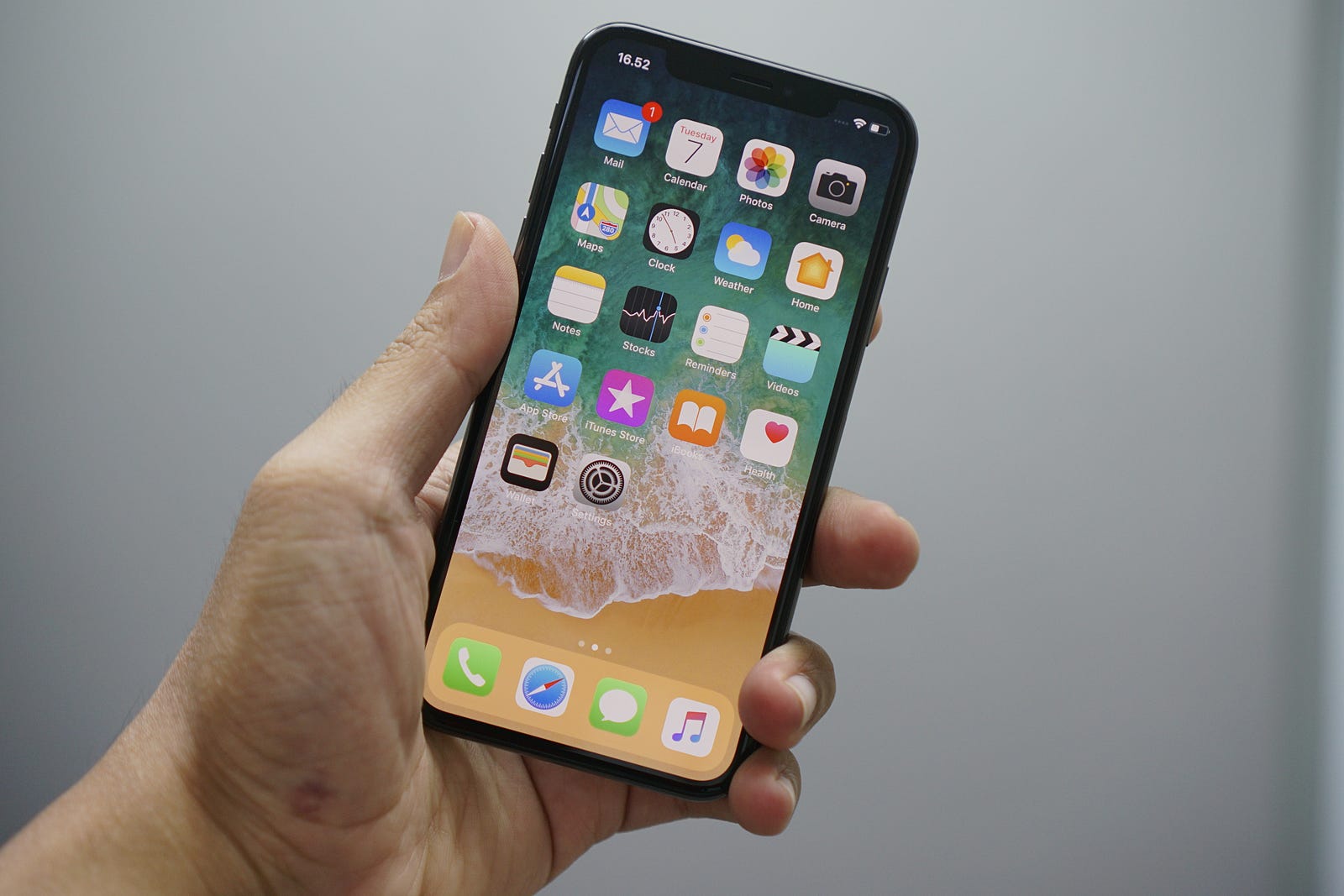
You need an iPhone — it's the mother ship. It stores and analyzes all the data that is collected. The Apple Watch and iPhone work in unison.

We all have cell phones anyway — this one is worth it. The phone is where you will view your stats. 

For now, the Apple Watch will be a fixture in my life as it's already proven to improve and enhance it.

Thanksgiving

I wish my readers a happy and blessed Thanksgiving Day. I am so grateful for the four years I have been writing and you have been gracious e...