Thursday, September 22, 2022

How Stephen King Quit Drinking and Why You Should Quit Your Way

 Check out how others got sober — and then you decide what is best for you.

Photo by Luis Villasmil on Unsplash

Stephen King has no memory of writing Cujo, his thriller about a rabid St. Bernard gone mad. That is a significant blackout if ever there was one.

King also admits there are several other books he has no memory of writing. Incredible.

There are various ways to find sobriety: spontaneous sobriety is quitting without help from outside sources; a DIY job if you will, is the way I chose. My only support came from the truckload of quit-lit books I read the two years leading up to my quitting the drink.

The other ways are with organized help from Alcoholics Anonymous, SMART Recovery meetings, and in-patient or out-patient rehab facilities. One can also go the more personal route with a therapist or psychiatrist and be aided by drugs for withdrawal or to ease cravings.

None of these were the choices Stephen King chose. He hadn’t any intention of quitting his addictions.

Stephen’s addiction

The first time he remembers getting drunk was his senior year of high school in 1966.

By 1975 he decided he was an alcoholic, yet this realization did not sway his choice to keep drinking.

He said:

I thought, I’m an alcoholic…I’ve gotta be really careful, because if somebody says, ‘You’re drinking too much, you have to quit,’ I won’t be able to.

By the 80s, King was introduced to cocaine while attending Hollywood parties as his books were made into movies. He also was addicted to cigarettes, smoking two packs a day and adding pills, mouthwash, sleep aids, and more to the toxic mix.

King admits this about his addictions:

If it would change your consciousness, I was all for it.

King’s wife, Tabitha, staged an intervention with his friends and family present by dumping out a garbage bag full of empty beer cans, cigarette butts, cocaine in gram bottles, cocaine in plastic baggies, and coke spoons, Valium, bottles of cough and cold medicines and even mouthwash.

Tabitha gave Stephen an ultimatum — sober up or get out. She gave him two weeks to make up his mind.

He decided that even though he thought giving up his addiction would kill him, he chose to do it for his wife and family.

King has been sober for over 33 years, adding that an anonymous organization got him through.

He comments:

It certainly allowed me to live a more spiritual life in many ways. It makes it easier to live a moral life. Because when you do something that’s rather shitty, you know that you’ve done it, and you have to talk about it a little bit.

Of course, we can come to the same realization by choosing any method to attain sobriety.

I love this myth-busting statement Stephen makes about addiction and creatives:

Substance abusing writers are just substance abusers — common garden-variety drunks and druggies, in other words. Any claims that the drugs and alcohol are necessary to dull a finer sensibility are the usual self-serving bs.

What about you?

Don’t wait for an intervention that may not come.

You can’t hope someone will take the reins of your life. You are responsible for your life, health, and sobriety. You are strong and capable — do not think for a minute you are not. You can do this.

For the books that helped me achieve sobriety, see my article published on AINYF/Medium on February 8, 2022, 10 Outstanding Books to Help You Stay Fully Engaged in Your Sobriety.

Choose your way of attaining sobriety. I’ve given a few suggestions above.

Please seek medical help if you are concerned about withdrawal.

Help is available and only a Google away. Or contact the National and 24-hour Drug Addiction and Substance Abuse hotline number: 877–268–2787 or Alcohol Abuse Hotline: 888–744–0069.

Thursday, September 15, 2022

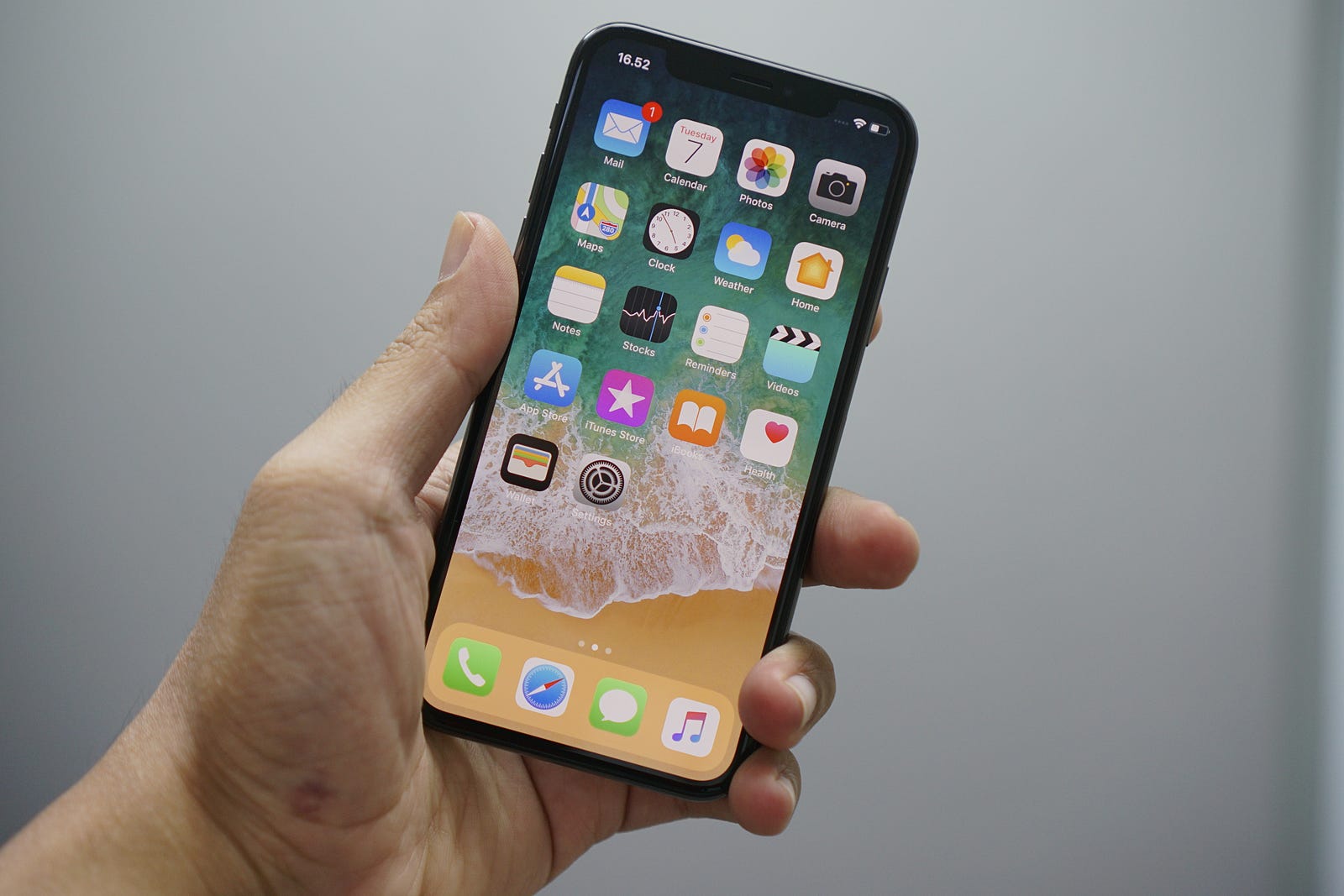
How an Apple Watch Can Enhance Your Life and Inspire You to Improve in Many Areas

No, I am not on Apple's payroll — yet I now rely on this gadget daily.

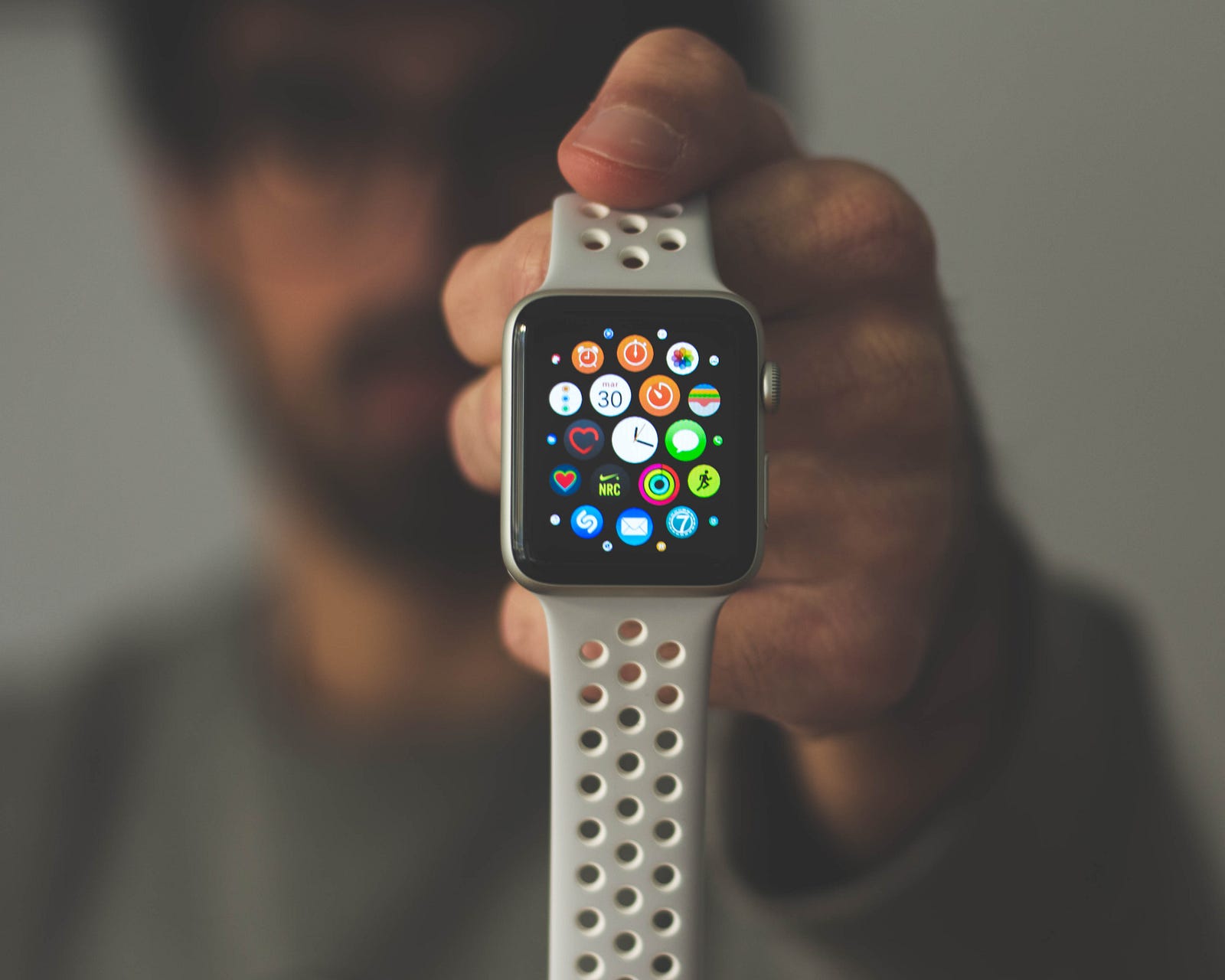
Photo by Daniel CaƱibano on Unsplash

I love my new Apple Watch! Can you tell I'm excited? Do you have one, too?

I know I still have a lot to discover on this fantastic device. It seems I learn something new daily, and it's all good.

I was a Fitbit wearer for years. The primary reason was to keep track of my exercise, daily steps, and sleep. It was simple. I didn't need to do a thing except wear it.

When it would die — each one lasted a couple of years, I would purchase the latest iteration of it, and I was satisfied.

Exercise

Satisfied until I noticed that some of my pickleball buddies were asking their watches to start tracking our pickleball game. Really? This watch tracks specific exercises?

Indeed it does. Okay, that did it. I had to have it.

One day a friend and I went for a walk, and she tapped her Apple watch to track her outside walk.

Not only did it measure the miles, but it told her the pace — an 18-minute mile. If we stopped to chat with a neighbor, the watch would ask her if we had finished walking. She would pause it and resume it when we did.

Now I'm using mine every day.

When lifting weights at home, tap on Functional Exercise, which follows your movements — recording the time you're lifting and the calories you burn.

It does the same for abdominal exercises — called Core Training — you get the idea.

I love that. The watch tracks the time and calories burned for every exercise you perform. I haven't even read the entire list as there are so many sports and activities on the watch.

Not only do we receive this information, but I have discovered that I want to improve the time and distance of my last hike. 

I'm challenging myself thanks to this device. 

The watch reminds me every hour to get up off my butt and stand for one minute. I take this time to walk around the house and stretch. Writing is absorbing, and this prompt to move is essential.

Emergency help

My friend slipped and fell on a hike up the mountain — she wasn't hurt and got up immediately. The watch picked this up and asked if she was alright or did she need them to contact 911!

She answered that she was fine and did not need emergency help.

I often walk or hike the mountains alone with my dog early in the morning, and falling can be a concern. I always bring my cell phone, but what if I were unable to retrieve it from my bag? My watch is on my wrist, and all I need to do is talk into it.

This feature enhances my life by helping me feel secure and safe and may save my life.

Sleep

I'm not sure what my favorite feature of the Apple Watch is, but this category is near the top, if not the pinnacle.

For $4.99, a one-time charge, I added Auto Sleep from the app store so that I would receive more detailed information about the quality of my slumber.

There's more information than we need to assess our sleep health. However, once involved in evaluating it, I found it illuminating.


This app provides:

  • Time Asleep
  • Sleep Rating
  • Sleep spO2
  • Respiration Rate
  • Sleep Fuel Rating
  • Readiness
  • Tonight's Bedtime
  • Sleep Consistency


I went into detail regarding these sleep categories in my article on Medium, published September 5, 2022, How to Improve the Quality of Your Sleep With These 4 Simple Daytime Tactics.

Briefly, Time Asleep, Sleep Fuel Rating, and amount of Deep Sleep are the most crucial areas to be concerned about. You can find the amount of your deep sleep within the Sleep Rating area.

I learned that the Sleep Fuel Rating is critical. For several days my fuel rating was Poor. I did some investigating and found that Poor often means one suffers from anxiety or depression. 

As it turns out, I was anxious for various reasons, and I could remedy my anxiety by using meditation and the Mindfulness app on the watch. 

Of course, you can’t cure all anxieties easily. However, since mine was situational, it eased when I was more mindful of the issue and cleared it up.

Within a few days, my fuel rating slowly climbed from Poor to Regular to Plus and finally to Premium. Apple bases these ratings on gasoline gradings. The top is Jet Fuel. I haven't reached that level yet.

How wonderful this watch can help settle and calm us, thus attaining a higher quality sleep.

I am inspired to improve the quality of my sleep by assessing where I need to make adjustments.

Mindfulness

I love this feature. It has helped me improve the quality of my sleep, energy level, and mood.

You can Reflect and Breathe — two aspects I use several times daily.

I have set a reminder every few hours to take a minute to reflect. The app offers a topic to ponder — such as what are you inspired by today? 

Breathe is sitting quietly and paying attention to your inhalation and exhalation for that minute. 

Both of these practices calm you and will impact your sleep quality.

If my day has been busy and I passed on these soothing moments, my sleep numbers go down.

Besides using the Mindfulness feature to help improve my sleep, it has significantly enhanced and calmed my emotional state, and my productivity has increased.

Photo by Bagus Hernawan on Unsplash

There are dozens more features and tips that I haven't yet explored. I will do a bit more investigating and perhaps will update this article in the future.

By the way — this watch also tells the time, imagine that. There are many clock configurations from which to choose as your home screen.

You need an iPhone — it's the mother ship. It stores and analyzes all the data that is collected. The Apple Watch and iPhone work in unison.

We all have cell phones anyway — this one is worth it. The phone is where you will view your stats. 

For now, the Apple Watch will be a fixture in my life as it's already proven to improve and enhance it.

Thursday, September 8, 2022

How to Improve the Quality of Your Sleep With This Simple Daytime Tactic

Sleep is the elixir of life — why not enhance it?

Photo by Klugzy Wugzy on Unsplash


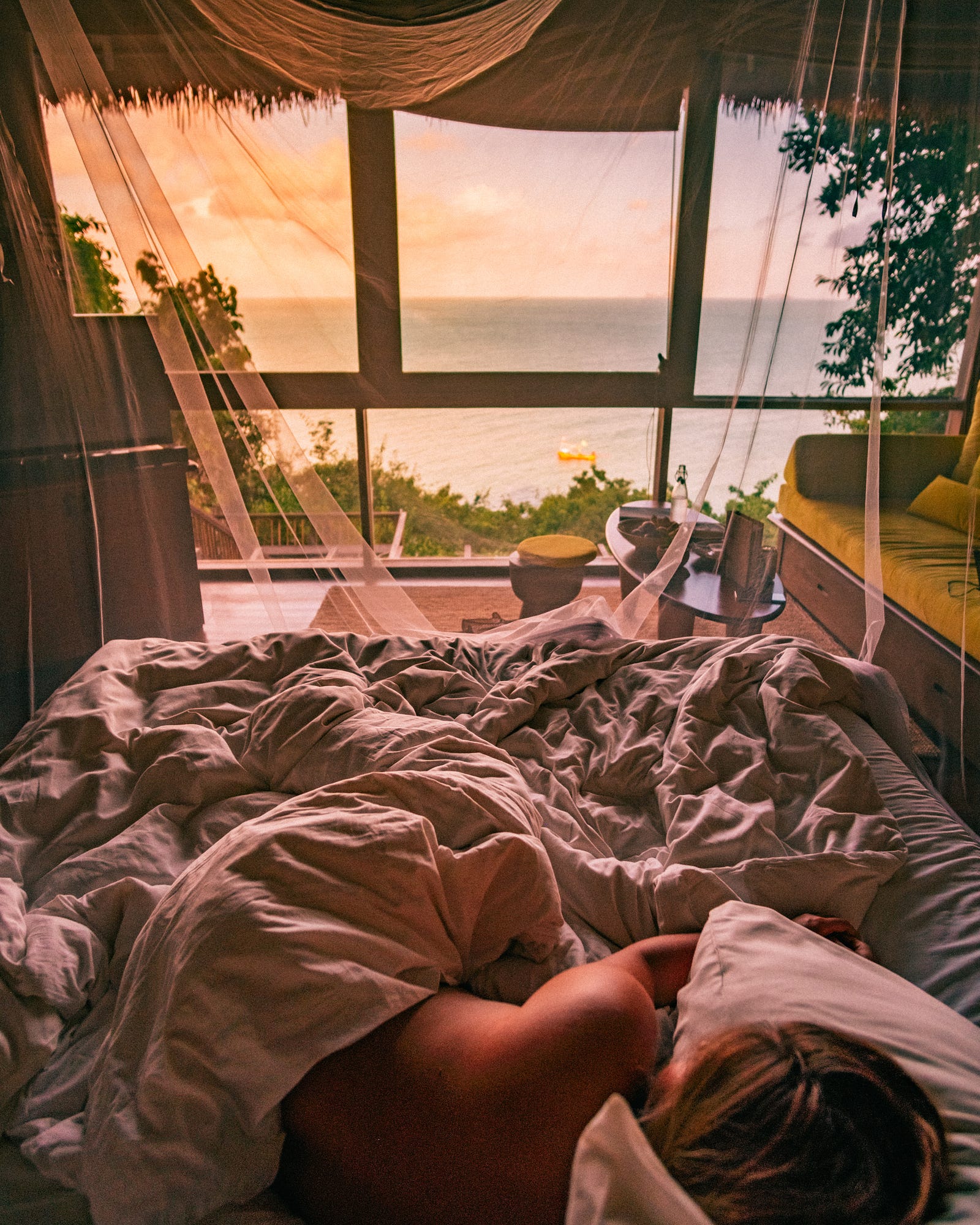
I’ve become obsessed with my sleep since I switched from wearing a Fitbit on my wrist to an Apple Watch.

I wore the Fitbit for several years, and it worked well, but when it conked out and it was time to replace it, I thought I’d try the Apple Watch instead.

The sleep app provided is not as detailed as I would like. My son suggested I add the AutoSleep app to it.

This untechy information seeker took a while to understand all the nuances this app supplied. 

First thing upon waking, I’d find myself absorbed in my numbers and ratings.

This app provides:

  • Time Asleep
  • Sleep Rating
  • Sleep spO2
  • Respiration Rate
  • Sleep Fuel Rating 
  • Readiness
  • Tonight’s Bedtime
  • Sleep Consistency


The categories I’m most interested in — and you should be, too — are Sleep Rating and Sleep Fuel.

The Sleep Rating provides total hours asleep, time in deep sleep, sleep quality, and BPM. This information is vital to know you slept well and are ready for the day.

Sleep Fuel is the most significant category. Yes, deep sleep and total hours of sleep are critical, but the fuel rating shows how efficiently you slept.

Think of fuel the same as the fuel you put into your car. It is more efficient if it’s premium fuel; if it is regular, you get less benefit.

The fuel ratings are Poor, Regular, Plus, Premium, and Jet Fuel.

When I consistently reported poor fuel for several days, I became concerned and decided to see if I could change this. 

Here’s what I did:

  1. I would take a break every hour and take five slow deep breaths to the count of five for the inhale and another five on the exhale.
  2. I would set aside three periods each day of five minutes to sit and “meditate.” By this, I mean, get in a comfortable sitting position or, if you prefer, lie down (I did at times), close your eyes and allow thoughts to pass, and let your mind go within, listening to your heartbeat or paying attention to your natural breathing. This calms you and is restful and rejuvenating.
  3. Finally, at bedtime, take a few minutes to repeat the deep breathing or sit quietly following your natural breath, allowing thoughts to pass without focusing on them.
  4.  Before falling asleep, take another moment to find something you are grateful for that may have happened today. Or, you can be thankful for being alive today or that your heart is beating and your body carried you through another day. Gratitude at bedtime makes you appreciate all your blessings—what a lovely way to fall asleep. 


Right from the start, my fuel rating improved from Poor to Regular. Within a few days, I advanced to the Plus rating. 

One hectic day, I didn’t follow my plan, and the next morning my rating was again a dismal Poor.

I returned to take a few minutes each day using my new calming method, and now my rating is a Premium.

I’m thrilled.

The best news is that I’m feeling far more rested and energetic. All it took was about 30 minutes a day.


"Your life is a reflection of how you sleep, and how you sleep is a reflection of your life. "— Dr. Rafael Pelayo, clinical professor of Sleep Medicine at Stanford University.


Of course, you don’t need a sleep app to tell you how you feel. But, it is so helpful in identifying where you can make improvements.

Try this method by taking a few minutes out of your busy day to relax and calm yourself and see if you notice a more restful sleep and a more energetic wakeful day.

After all, sleep is fuel for your brain, body, and well-being.


Thursday, September 1, 2022

A Famous Songwriter Shares 6 Affirmations That Could Help You Sober Up

 Written by a recovered alcoholic and his friend who wanted to have what he was having in his journey to sobriety.

Photo by Lorenzo Spoleti on Unsplash


In the years leading up to considering sobriety, I watched Paul Williams and Tracey Jackson being interviewed by Oprah Winfrey about the book they collaborated on: Gratitude and Trust — Six Affirmations That Will Change Your Life.

As you may recall, Paul is the Academy Award, Golden Globe, and Grammy-winning songwriter of many outstanding hits, including, We've Only Just Begun, Evergreen, and You and Me Against the World, among others. 

Tracey is the author of Confessions of a Shopaholic and a TV and comedy writer.

Their book Gratitude and Trust threw a wrench into my drinking. The book jolted me into taking a deeper look at my alcohol consumption and forced me to ask a few questions.

The most important question was — am I addicted to alcohol? The next one was — what, if anything should I do about it?

It wasn't the first time these questions tickled my brain, and the book impacted me.

Paul was a severe alcoholic and cocaine abuser for decades. When he co-wrote this book, he was sober for 25 years. 

Tracey was not addicted to any substance but admitted she had many problems — overspending, a control freak, OCD, and men.

Paul and Tracey have compiled Six Affirmations of Personal Freedom in this book.

I recall writing these affirmations on an index card and reading them daily. 

I focused on one at a time, sometimes spending a week on it. Sometimes more. 

The years have passed, and other inspiring books have replaced Gratitude and Trust, yet somehow this one materialized in my thoughts today.

I unearthed it from the vast array on my bookshelves. My attention is once again riveted on these six reminders of where I want my awareness to be.

As the authors advise of the affirmations:

To make them effective tools in reconstructing the way you live your life, you’ll need to make them as much a part of your day as your toothbrush, razor, or morning run.


Six Affirmations of Personal Freedom

  1.  Something needs to change, and it's probably me.
  2. I don't know how to do this, but something inside me does.
  3. I will learn from my mistakes and not defend them.
  4. I will make right the wrongs I've done wherever possible.
  5. I will continue to examine my behavior on a daily basis.
  6. I will live my life in love and service, gratitude and trust.


The first statement is one that grabbed me by the throat — who me? Immediately, I knew the answer to that was — yes, you!

I spent a lot of time looking at my behavior and what I needed to change. It's probably six years since I read the book and worked on the affirmations. I will again write them on a card and begin over with the first.

As the authors state: "You've turned away from defending your behavior to admitting your culpability. You've recognized your part in the problem and are prepared to change."

The second affirmation asks us to look inward. For me, that is turning to God. For you, it may be different. Maybe you will look for your inner voice or intuition. 

The important thing is to understand there is a collaborative spirit inside you connecting to your higher self. Sitting in silence, prayer or meditation will often help you recognize this.

Third — learn from our mistakes and not defend them. I was/am a great defender. It is not an easy habit to break, and I'm glad to have this reminder back in my life. Of course, repeating mistakes is another blunder for me to correct.

Paul and Tracey: "We spend much of our lives running from our mistakes, hiding them, covering them up, lying about them, and often blaming them on others."

Fourth — righting the wrongs we've committed. Luckily, to the best of my recollection, I didn't wrong many people. I was the one I wronged by not believing in myself, by thinking I was weak because I was addicted to alcohol.

The authors remind us that owning our mess is the first step toward healing; it is essential to clean it up by taking action. I'm sorry may be the most necessary words you can speak.

The fifth affirmation may sound like a marathon. Seriously, continue to examine my behavior? Every day?

Yes. Tracey and Paul suggest that we take a close look at our behavior at the end of each day. What didn't you do that you should have done? What did you do that you shouldn't have done? Put those on the top of your to-do list for tomorrow.

And finally, for the sixth, we live in love, service, gratitude, and trust.

If we can do our best every day to keep the first five affirmations centered in our lives, the sixth will unfold naturally.

Gratitude and trust are the predominant emotions, the essence of thankfulness for what we have and knowing that more good is in store.

Sharing our stories and challenges will help others. Service is noticing when someone is in need and doing what we can to address that. 

Giving back is service and a way to show love. Being available to your friends and family and yourself is love.

These affirmations work for alcohol addiction and life in general — in all its glory, pain, challenges, and joy.

Can you embrace these affirmations to change and improve your life? Give it a try. What have you got to lose?


Thursday, August 25, 2022

These 5 Famous and Talented Women Couldn’t Be Saved From Their Drug Addiction

 They tragically died, but can you learn from them?Photo by Diego Lozano on Unsplash

I loved my alcohol and drank for the majority of my adult life. I finally found sobriety almost four years ago, and I couldn’t be more grateful.

It took many years of casual drinking before I began indulging to the point of concern. Sure, there were instances throughout my life where I overdrank, but for the most part, I had “it” under control.

After retirement, however, with my children grown and on their own, my drinking escalated. After all, I was free. I earned my retirement and the right to do as I pleased.

Until that is, I realized my drinking was out of control, and I quit. No, not that quickly. It took two years of reading every quit lit book I could get my hands on, failed twice until finally — as the saying goes; the third time is a charm.

Since giving up the drink, I’ve been passionate about sharing my story and those of others addicted.

Though I never was interested in trying drugs, I understand the lure. Also, a dear family member became addicted to pain pills prescribed by doctors. It broke my heart to see the struggle.

These five beautiful, talented women were addicted to drugs; some also indulged in alcohol, in addition to narcotics. Sadly, they weren’t able to save themselves.

You probably already know their stories, but let’s not forget them or their short, tragic lives.

Five tragedies

Whitney Houston — Ms. Houston rose to fame quickly with her debut album titled with her name in 1985.

Her big acting break was starring in the film “The Bodyguard” with Kevin Costner. Shortly after that, she began to abuse drugs, with cocaine her main choice. She battled her addiction for many years. Whitney’s bodyguard found her facedown in the bathtub. Her death was ruled an accidental drowning along with heart disease and cocaine use. She died at age 48 in 2012.

Marilyn Monroe — Ms. Monroe is one of the most written about, and her story of fame, fortune, and drug abuse is widely known. She worked hard yet had few friends and was lonely though surrounded by adoration. According to sources, Marilyn suffered sexual abuse at the hands of Hollywood producers and studio heads. This treatment exacerbated her drug use and mood disorder. She had sedatives, sleeping pills, amphetamines, speed, and other drugs on her nightstand. Rather than intervene, her doctor continued to prescribe her prescription drugs. Ultimately, this was the cause of her demise at age 36 in 1962.

Judy Garland — The Wizard of Oz is her signature film, and this is when she first became hooked on drugs so she could keep up with the grueling schedule. Her non-stop agenda continued for many years — all the while, she used barbiturates, stimulants, and depressants. Ms. Garland was given these drugs by studio producers so that she could keep working. Eventually, she died from an overdose at age 47 in 1969.

Amy Winehouse — Amy ultimately died from alcohol poisoning, but her first addiction was to drugs; heroin, cocaine, crack, and marijuana, which she abused for many years. She quit taking drugs, and her drinking worsened in an attempt to help with withdrawal. She fell again and had a final episode of binge drinking that killed her at age 27 in 2011.

Janis Joplin — Janis was another iconic performer with an addiction to drugs — meth and heroin and was well-known for her love of Southern Comfort. She tried to sober up by returning to her home from San Francisco, where she was performing, but on each return to California, she would again take up her addictions. Janis overdosed at age 27 in 1971.

Famous yet alone

These women had access to drugs, and money was never an obstacle. More commonly, they were given drugs by the people involved in their careers.

Although famous and celebrated, they were frequently lonely, alone, and ripe for the temptation of drugs and alcohol to offer solace.

I’ve learned that those addicted to drugs often feel isolated and don’t have the support of family or friends.

Our greatest glory is not in never failing, but in rising up every time we fail. — Ralph Waldo Emerson.

Help is available

Please seek help if addiction is a part of your life. You are precious, unique and you can be helped:

National Drug and Alcohol Treatment Hotline 1–800–662-HELP (4357) and Help.org are places for you to begin your new future.

Thursday, August 18, 2022

According to Science — These Are the 5 Best Abs Exercises for You

I don’t expect 6-pack abs at my age, but any improvement would be a plus.

Photo by mr lee on Unsplash

I have a noticeable tummy. It’s rather bulgy. The rest of my body is slender and somewhat muscular yet the abs are lacking in firmness.

I’m sure part of it is my age — I’m well into the Third Third of my life. Another part, the women in my family typically carry their weight in their tummies. I guess it’s destiny.

However, I still work on firming the bulge a few times a week.

I've even found success with the 30-day plank challenge on an online site. I surpassed the 30 days, completing 40 days of planks. 

Part of the challenge was to hold the plank for 2 minutes. Of course, we work up to the 2-minute hold. I achieved the 2-minute mark on day 15 and continued adding seconds every day.

My abdominals ached after the first few days. On subsequent days I didn’t feel the workout as much. However, I know holding a plank for 2 minutes works more muscles than the abdominals. 

My triceps and shoulders felt the workout as well.

I found it surprising that the plank is not one of the top 5 abs exercises.

The exercises

  1. Bicycles — The most challenging abs exercise for the rectus abdomini proved to be the bicycle. Lying on your back, you pretend you’re riding a bicycle. Place your hands behind your head, then bring your legs into tabletop — knees over hips, shins parallel to the floor. With your head in your hands, curl your head, neck, and shoulders up off the floor as you rotate your torso over toward your right leg and extend your left leg straight at a 45-degree angle — aiming your left armpit to the right hip. Reverse the movement to return to center, lower your head down, as you draw your left leg back into tabletop before switching sides.

2. Captain’s Chair —This is a gym exercise using the Captain’s Chair exercise equipment. It is a chair back with two handles, elevated above the ground, with no seat. Place your forearms onto the armrests of the chair and grip the handles with your legs dangling. Slowly tuck your knees in toward your chest. The motion should be controlled and deliberate as you bring the knees up and return them back to the starting position.

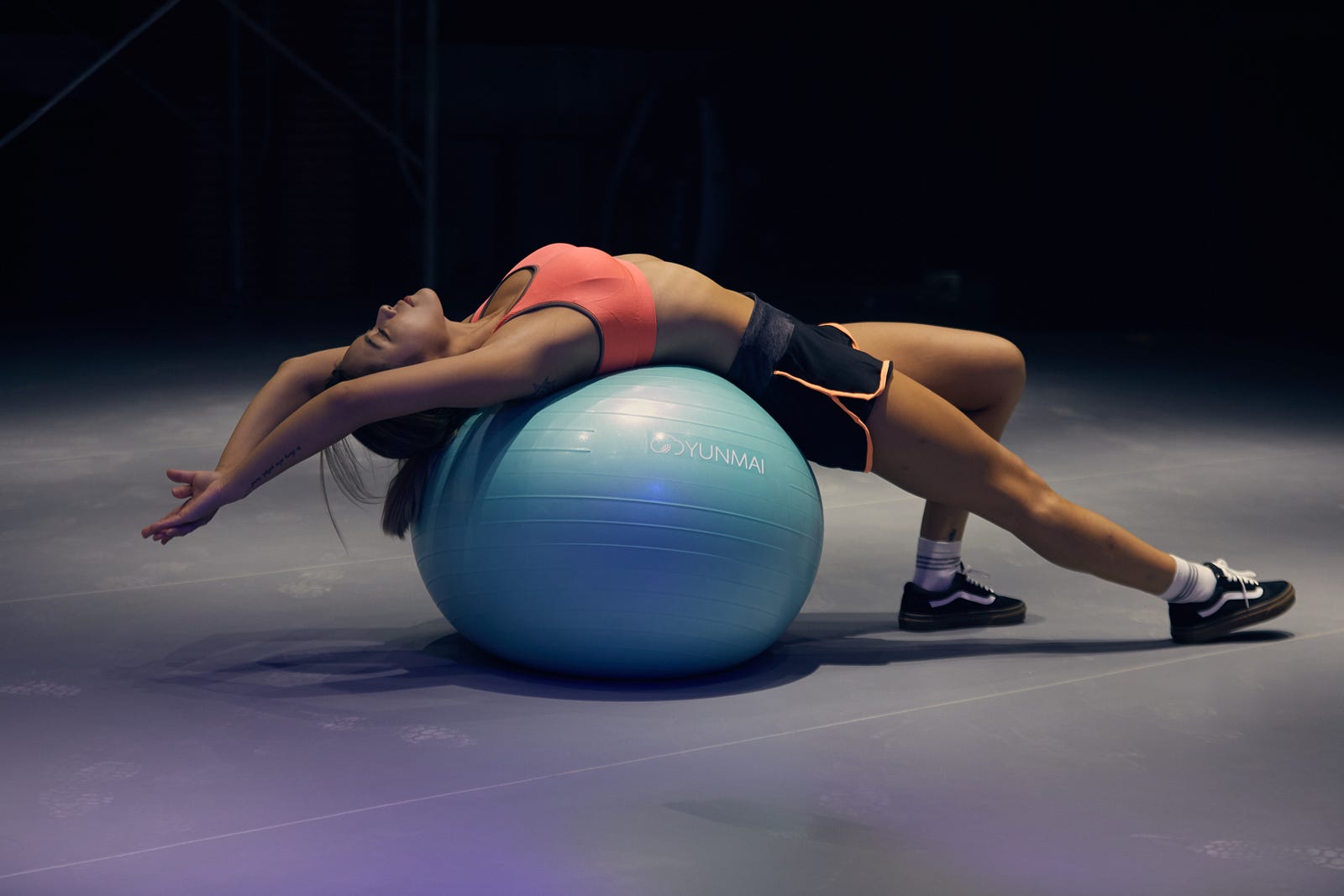
3. Crunches on an exercise ball Lie back on a large exercise ball until your thighs and torso are parallel with the floor, feet flat on the ground. Cross your arms over your chest and slightly tuck your chin in toward your chest. Contract your abdominals and raise your torso up off the ball no more than 45 degrees. Spread your feet wider apart for better balance. To challenge the obliques, make the exercise less stable by moving your feet closer together.

4. Vertical leg crunch — Life flat on your back on a workout mat, interlace your fingers and place your hands behind your head, then extend your legs straight up toward the ceiling so your feet are over your hips. Keep your head heavy in your palms and curl your head, neck, and shoulders up off the floor. Make sure to keep your chin off your chest with each contraction, like you're pinning an orange against your chest.

5. Reverse Crunch — Lie flat on a mat with your lower back pressed to the ground. Put your hands behind your head or extend them out flat to your sides — whatever feels most comfortable — then extend your legs straight up toward the ceiling so your feet are over your hips. Contract your low abs to lift your hips a few inches up off the floor like you’re trying to touch your toes on the ceiling. Lower back down with control.

As the writer for the Well+Good newsletter, Rachel Kraus states — “the most effective abs workout is the one you’ll do consistently.”

The most efficient exercises should target all the different muscle groups in your abdomen: transverse abdominis, rectus abdominis, pelvic floor, and obliques.

The exercises chosen were recommended by the biomechanics lab at San Diego State University. The lab tested 13 popular moves to see which ones challenged these muscles the most.

This was a fairly small study, performing tests on 30 men and women for one hour each. Still, the insights are valuable.

My experience

The bicycle exercise is one I have used for decades. My greatest problem with it is my neck begins to ache after a while. I persevere as long as possible. I do have achy abs the next day or two.

I have not tried the Captain’s Chair, and perhaps I will in the future. I have used an exercise ball in the gym prior to Covid, and I felt results from this one, too. 

The vertical leg crunch is one I used years ago and will give it a go. The reverse crunch is a great exercise, provided I place my hands under my tailbone to ease the stretch. This also proved successful for me.

The reverse crunch is another one I’ve used somewhat consistently. I tend to have lower back issues, so I place my palms on the floor under my tailbone. This helps release pressure.

Will I go back to my planks? Probably, but now I don't feel guilty when I don’t complete them, as they’re not in the top five.

Any exercise we do regularly is a plus. Our bodies love to move and stretch and be well-oiled, and what better way than to give them a workout?


Thursday, August 11, 2022

You're Going to Love These Quirks of 10 Famous Writers


Some of them were truly inspired and gifted.

Photo by Gaman Alice on Unsplash

I love to read. I have since I picked up my first Nancy Drew Mystery as a young child. 

I know my mother read to me — fairy tales mostly. But it was the reading I did on my own that I most remember.

Now I enjoy writing. Since January 2021, I've been writing on Medium and this blog and having fun learning, reading other writers, and keeping all my senses on high alert for new ideas about what to write next.

I also have become intrigued with authors I admire and some whom I've not yet read their work.

I love digging around to see what else is fascinating about them.  

I've written about writers who were severe drinkers — alcoholics for the most part. See my article Check Out These 8 Famous Writers Who Sadly Were Alcoholics published on Medium on March 12, 2022.

                                                            *            *            *

Now I'm curious about the odd quirks and idiosyncrasies of famous authors. 

Here are several exceptional ones:

Gertrude Stein — Lively, bustling Paris streets enlightened Ms.Stein rather than distracting her. She found inspiration no matter where she was — in a cafe or at the local market. She would take out her notebook and write wherever the idea hit.

William Faulkner — This author loved his whiskey and indulging in it while writing was common. He was proud of this habit and is quoted as saying: "And I thought then, if that was the life it took to be a writer, that was the life for me."

Anthony Burgess — had an interesting way of dealing with tedious or repetitious tasks. He would open a dictionary to a random page and use words that appeared to complete the piece he was currently working on. He did this while writing "A Clockwork Orange."

Truman Capote — This author was an extremely superstitious man with weird practices. Truman would never begin or end a piece of work on a Friday. A chronic smoker, he would never permit more than two butts in the ashtray at one time, placing the excess in his pocket. He also would not stay in a hotel room if the room number or the phone number added up to 13.

Dan Brown — Dan says the best cure for writer's block is hanging upside down wearing gravity boots. He insisted this practice helped calm him and enabled him to concentrate on writing. Every hour he would pause his work and do stretches, push-ups, and sit-ups.

James Joyce — Ulysses and other memorable works were written by Mr. Joyce while he was lying down on his stomach, using large blue pencils and wearing a white coat. He had poor eyesight, the pencils allowed him to see his writing, and the white coat reflected more light on the page.

Edgar Allan Poe — Mr. Poe loved his pets and considered his cat, Catterina, his guardian. She would sit on his lap while he wrote. Oddly, according to rumor, the cat died two weeks after Mr. Poe's passing.

Virginia Woolf — Ms. Woolf believed the best way to write was standing at a desk built just for that — allowing one to write while on her feet. It was three and a half feet high with a tilted top. She spent two and a half hours each morning writing. Legend has it that Ms. Woolf wrote this way because her sister Vanessa Bell, the painter, stood painting and didn't want to be outdone by her sister.

Lewis Carroll — Mr. Carroll also preferred writing at a standing desk ala Virginia Woolf. He had a preference for the color purple for his ink. He used this ink as a mathematics teacher at Oxford and continued using it for his writing.

Agatha Christie — Ms. Christie loved munching on apples while she soaked in the bathtub conjuring up plots for her mysteries. Her mother was against allowing Agatha to learn to read. At age 8, Agatha taught herself.

                                                            *        *        *

Wouldn't you love to have a time machine and look back at the fascinating lives of these outstanding writers?

I'd also love to get into their heads to see how they mustered up the ideas, characters, and plots.

Their idiosyncrasies make them even more captivating.

I find it engrossing to see what routines and neuroses creatives employ in their lives, proving that whatever works for you is what you need to do. There's no need to follow a routine that "seems" right if it isn't suitable for you, whether you're a writer, a painter, a plumber, or a heart surgeon.


Thursday, August 4, 2022

Bob Dylan is One of Many Famous Creative People Who Love to Walk

Though not famous, I, too, am a daily walker, and many ideas are born while strolling the ‘hood.

Photo by Robin Ooode on Unsplash

Bob Dylan was seen meandering up and down the side streets off Ocean Avenue in Long Branch, N.J., one dark, stormy afternoon.

A resident considered him a vagrant and called the police. 

A 24-year-old officer arrived and asked Bob for his ID. He didn’t have it on him, so she asked him his name. Bob Dylan, he responded, with no sign of recognition from Officer Kristie Buble. 

She asked him what he was doing in Long Branch, and he replied that he was there for a concert. Still no realization of who he was. After all, this man was disheveled and rain-soaked and looked like a lost old man.

He was brought back to his hotel, where his manager vouched that he was, indeed, Bob Dylan.

He was roaming the streets looking for the house where Bruce Springsteen wrote: “Born to Run.”

We’ll never know if Dylan ever did locate that house.

In another century

Ludwig Van Beethoven was another walker, often through the countryside while composing. It is well-known that he was inspired to create his Symphony №6 — the Pastoral Symphony, because of how it evokes the landscapes through which he walked.

Virginia Woolf, one of England’s most renowned writers, was an avid walker. She would recite her drafts while she was strolling.

The main character of Mrs.Dalloway, Clarissa, takes walks through London. 

Ms. Woolf wrote in her journal: “To walk alone in London is the greatest rest.”

Many have discovered inspiration or conceived a new plan while taking a stroll. 

Getting lost in our thoughts while wending our way down country lanes or city streets is a booster for all forms of creativity.


"All truly great things are conceived by walking. "— Friedrich Nietzche.


Albert Einstein was fond of sleeping (at least 10 hours nightly) and walking.

During his time at Princeton University, he walked a mile and a half round-trip daily while devising his theories on quantum mechanics.

Henry David Thoreau walked around the woods along Walden Pond for four hours daily. He wrote: “Methinks that the moment my legs begin to move, my thoughts begin to flow.”

                                                        *            *            *

In recent times, Steve Jobs was another walker who strode to solve problems. 

To clear his head and exercise, he often walked the streets of Palo Alto. It was also commonplace for him to hold meetings while walking. He believed it kept everyone focused, effective, and creative.

Walking sparks creativity

According to a study by Stanford University, walking can increase creativity by an average of 60%, and as high as 81% in some cases.

The researchers have found that “creative thinking improves while a person is walking and shortly thereafter.” 

The study found that walking indoors or outdoors similarly boosted creative inspiration. The act of walking itself, and not the environment, was the main factor. Across the board, creativity levels were consistently and significantly higher for those walking compared to those sitting. — Co-authors Marily Oppezzo and Daniel Schwartz.


I often will get up from my computer and wander around the rooms in my home when stuck for a word or thought, and voila! Out of the ethers, the answer appears.

                                                            *            *            *        

I love Austin Kleon’s book Keep Going. In it, he writes about his daily morning walks with his wife and two boys — rain or shine. 

He has this to say:

"Walking is a way to find possibility in your life when there doesn’t seem to be any left."


Give walking a go and see what you may create as a result.

Thanksgiving

I wish my readers a happy and blessed Thanksgiving Day. I am so grateful for the four years I have been writing and you have been gracious e...